Buying in Brixton: Why a Survey Is Non-Negotiable
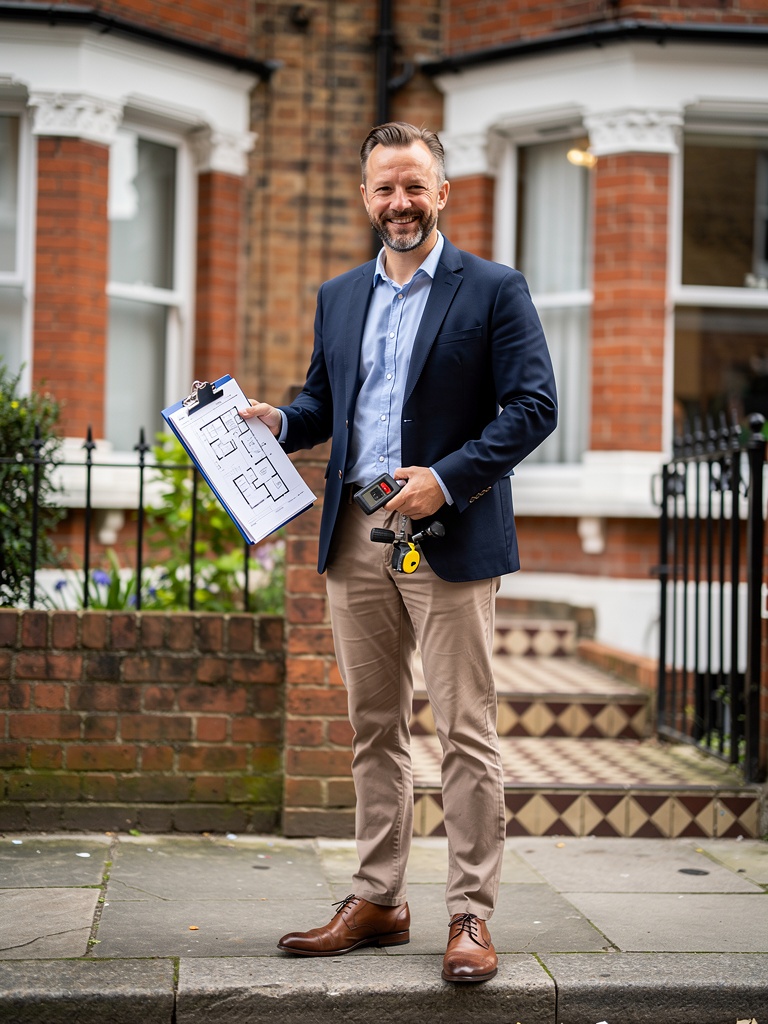
I moved to Brixton in 2003, long before it became the property hotspot it is today. Back then, the Victorian terraces off Brixton Hill were considerably cheaper than comparable properties in Clapham or Dulwich — and they're still better value, though that gap has narrowed considerably. As a chartered surveyor in Brixton who has watched this neighbourhood transform, I can tell you one thing with absolute certainty: the survey you commission before buying here is the most important professional appointment you will make during the entire purchase process.
That might sound like self-promotion. But hear me out — because the evidence is compelling.
What Makes Brixton Properties Different?
Brixton's housing stock is overwhelmingly Victorian — mostly built between 1875 and 1910. These properties are beautiful, characterful and spacious. They're also over 100 years old, and that age comes with specific vulnerabilities that a first-time buyer from a new-build background may never have encountered before.
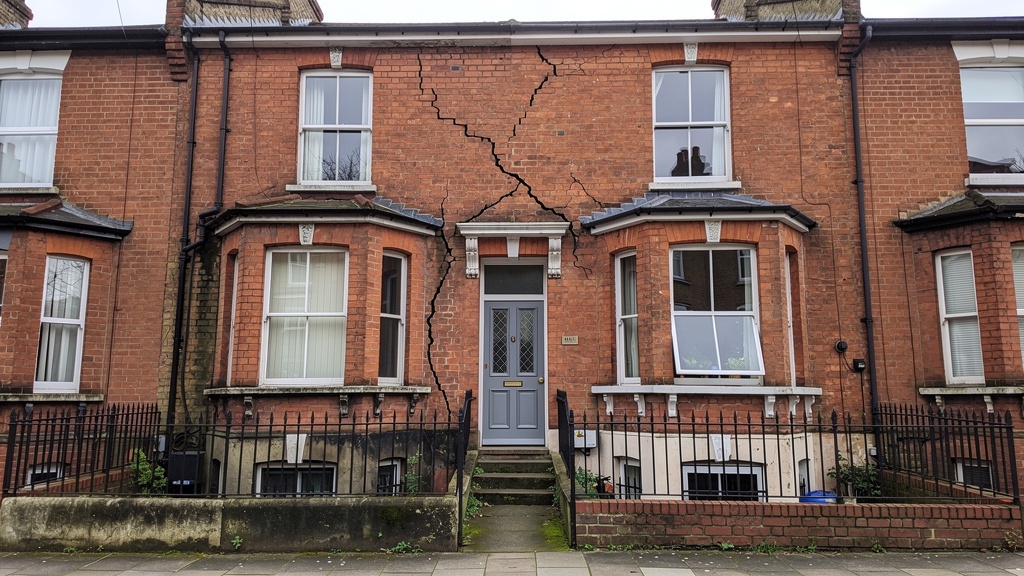
South London also sits on a layer of London clay — a material that expands when wet and shrinks when dry. This creates a phenomenon called seasonal movement, where properties settle and shift slightly with the seasons. In most cases, this produces cosmetic cracks that are nothing to worry about. But in some cases — particularly where trees are nearby or where drainage has been disrupted — it can indicate genuine structural problems.
Then there's the history of the buildings themselves. A Victorian terrace in Brixton has typically had many owners over a century or more, each of whom may have made alterations to the building — some with planning permission and building regulations approval, some without. Extensions get added. Chimney breasts get removed. Walls get knocked through. Some of these alterations are structurally sound. Others... are not.
What I See as a Brixton Surveyor
In 15 years of surveying properties around Brixton, Brixton Hill, Stockwell and Herne Hill, the issues I encounter most frequently include:
- Rising damp in lower-ground and ground-floor units: The damp-proof courses in Victorian buildings are often original, inadequate or have been bridged by later alterations. Lower-ground garden flats — common in the converted Victorian houses around Brixton — are particularly vulnerable.
- Flat roof deterioration: Many rear extensions in the area have flat roofs, which have typically been replaced multiple times over the years. Some are nearing end of life without the owner knowing.
- Inadequate chimney stacks: Where chimneys have been partially demolished or where flues have been opened up without proper lining, there are risks from carbon monoxide and fire.
- Unlicensed electrical rewiring: Many properties have had electrical work done without appropriate certification, which can be a serious safety issue and may affect your ability to get a mortgage.
- Party wall alterations: In terraced properties, it's common to find evidence of previous party wall works that weren't properly managed under the Party Wall Act.
The Cost of Not Getting a Survey
Let me give you some real numbers. In the past year alone, our Level 3 building surveys on Brixton properties have identified the following issues that the buyers had no idea about:
- £22,000 structural repair (lateral bay movement) — buyer renegotiated £15,000 off
- £8,500 damp treatment and replastering — buyer negotiated a reduction
- £14,000 roof replacement required within 2 years — buyer walked away
- £6,200 flat roof replacement needed immediately — buyer used this to negotiate
- £3,800 party wall remediation for structural alterations — seller remedied before exchange
In most of these cases, the buyer had initially wondered whether to skip the survey or "just get a Level 2." In every case, the Level 3 survey more than paid for itself.
What Survey Do You Need for a Brixton Property?
For Victorian and Edwardian properties — which is most of what's for sale around Brixton — we almost always recommend a RICS Level 3 building survey. The Level 3 is the only survey designed to properly investigate the structure of older properties and identify the causes of defects, not just record their existence.
A Level 2 HomeBuyer report can be appropriate for:
- Post-war (post-1950) properties in good condition
- Modern apartment buildings
- Properties that have been recently renovated to a professional standard
But for the typical Victorian terrace on a Brixton street? Trust us on this — the Level 3 is worth it.
Choosing the Right Survey for Your Situation
Still not sure? Here's a quick decision guide:
- Pre-1940 property → Level 3 building survey
- Property with visible cracks or damp → Level 3 building survey
- Property with extensions or alterations → Level 3 building survey
- Post-1985 property in good condition → Level 2 HomeBuyer report
- New-build → Snagging survey
- Leasehold flat with short lease → Level 2 + Lease extension valuation
Tips for First-Time Buyers in Brixton
If you're buying in Brixton for the first time, here's what I'd recommend:
- Book your survey as soon as your offer is accepted — don't wait until just before exchange, as this leaves you no time to act on the findings.
- Choose a surveyor with genuine local knowledge — they'll understand the specific issues common in Brixton's housing stock, not just run through a generic checklist.
- Read the whole report, not just the summary — the summary gives you the headline issues, but the detail section often contains important caveats and recommendations.
- Don't be afraid to use the findings to renegotiate — this is what the survey is for. Vendors in Brixton expect it.
- Ask for a follow-up call — a good surveyor will always be happy to talk you through their findings. If they won't, that tells you something.
Buying in Brixton? Let Us Help.
Get a fixed-price quote from our RICS chartered surveyors — Brixton residents who know this market better than anyone.
Get a Free QuoteFrequently Asked Questions
Is Brixton a good place to buy property?
Yes — but like anywhere, it depends on the specific property and street. Brixton offers excellent transport links (Victoria Line, National Rail, Overground), a vibrant community, great restaurants and cafes, Brockwell Park on the doorstep and comparatively good value for a Zone 2 location. Property values have risen significantly over the past 15 years and are expected to continue doing so.
What postcodes does Brixton cover?
The core Brixton area is covered by SW2 and SW9, with parts of SE24 (Herne Hill) also considered Brixton-adjacent. Brixton Hill is SW2, while central Brixton around the tube station is SW9.
How long does it take to buy a property in Brixton?
The typical UK conveyancing process takes 10–14 weeks from offer acceptance to completion. Getting your survey booked quickly — ideally within the first two weeks after your offer is accepted — helps keep things moving and avoids last-minute delays.