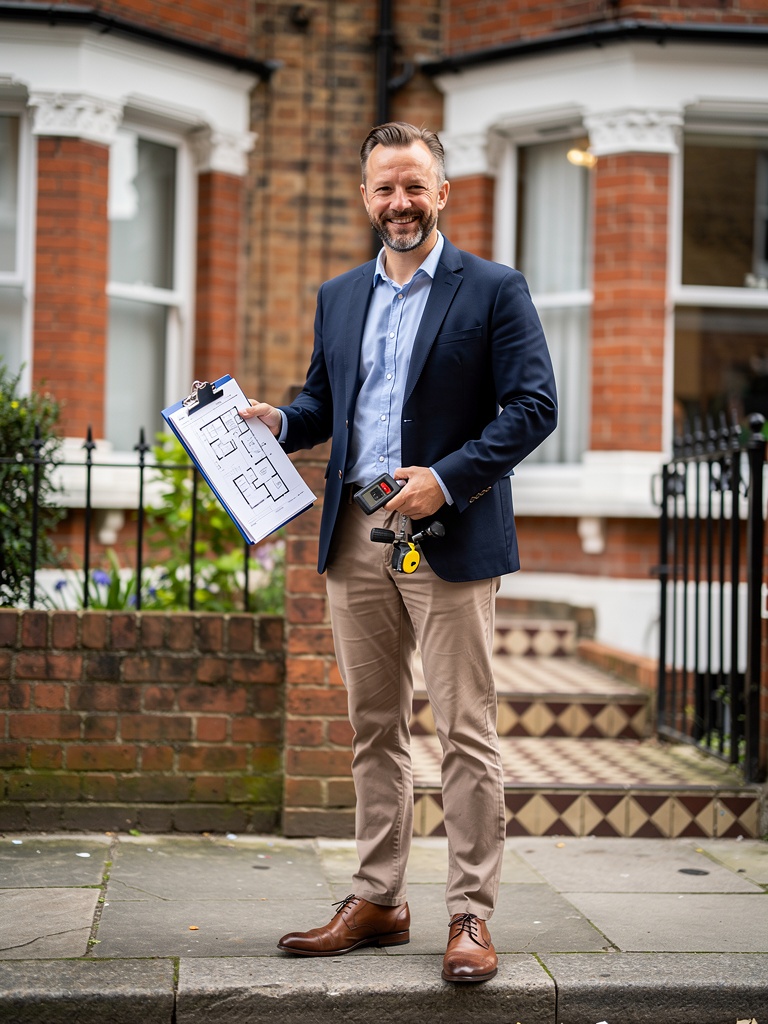
Level 3 Building Survey: The Complete Brixton Buyer's Guide
Brixton Surveyors have carried out hundreds of Level 3 building surveys across South London over the past 15 years. If there's one question we hear more than any other, it's this: "Do I really need a full building survey, or will a Level 2 HomeBuyer report do?"
For most properties around Brixton, our honest answer is: yes, you need the Level 3. Here's exactly why — and what you get for your money.
What Is a RICS Level 3 Building Survey?
A RICS Level 3 building survey is the most comprehensive residential survey available. It was formerly known as a "full structural survey" — a term that still gets used, though it's technically been replaced by the RICS Home Survey Standard introduced in 2021.
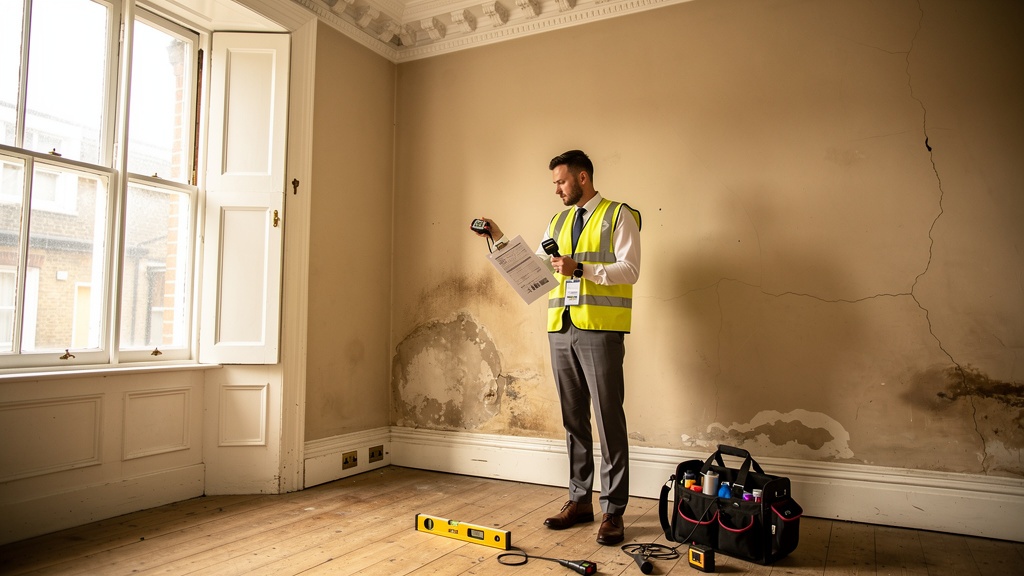
The Level 3 survey covers every accessible element of the property: roof structure, chimneys, walls (internal and external), floors, ceilings, windows, doors, drainage, services and any extensions or outbuildings. Crucially, it goes beyond simply recording what's there — it investigates the causes of any defects found and provides detailed guidance on what repairs are needed and how urgently.
Think of the difference between a Level 2 and a Level 3 like this: the Level 2 is a GP check-up, while the Level 3 is a specialist consultation. Both are useful. But if there's any reason to be concerned, the specialist is who you want to see.
Why Level 3 Surveys Are Essential for Brixton Properties
Brixton's housing stock is predominantly Victorian — most of it built between 1870 and 1914. These properties have a specific set of vulnerabilities that, over a century later, show up regularly in building surveys. These include:
- Clay soil movement: South London clay expands in wet weather and shrinks in dry spells, causing seasonal settlement cracking. This can range from cosmetic to structurally significant.
- Original timber floors: Victorian suspended timber floors are prone to rot where ventilation has been blocked or where damp has penetrated.
- Defective party walls: In terraced properties, party walls frequently show evidence of past alterations — some carefully done, some less so.
- Chimney problems: Original Victorian chimney stacks can have deteriorated flaunching, cracked pots and even structural concerns where stacks have been partially demolished.
- Single-skin extensions: Many Brixton terraces have been extended at the rear, and these additions are often of varying quality — some professionally built, others clearly DIY.
None of these issues is necessarily a deal-breaker. But knowing about them before you exchange contracts is the difference between a well-negotiated purchase and an unwelcome surprise six months after you move in.
Real example: We surveyed a Victorian terrace on Brixton Hill in early 2024. The buyer had received a Level 2 HomeBuyer report from another provider that flagged some minor cracking but overall gave the property a relatively clean bill of health. Our Level 3 investigation found significant lateral movement in the front bay caused by corroded wall ties — a structural issue requiring specialist repair costing approximately £18,000. The buyer renegotiated the price accordingly and completed the purchase.
What Does a Level 3 Survey Include?
Our Level 3 building surveys cover the following elements, for all accessible parts of the property:
External Elements
- Roof covering (tiles, slates, flat roof), gutters, rainwater pipes
- Chimney stacks, flashings and flaunching
- External walls, pointing, rendering and cladding
- Windows, doors and external joinery
- Extensions and outbuildings
- Drainage inspection covers and gully traps
Internal Elements
- Roof structure (where accessible via loft hatch)
- Ceilings, walls and floors in all rooms
- Dampness readings in key areas
- Timber condition (floors, joists, skirtings)
- Kitchen and bathroom condition
- Electrical installation (visual inspection only)
- Heating system (visual check)
- Evidence of structural alterations
Level 3 vs Level 2: Which Should You Choose?
Here's our honest guide to choosing between a Level 2 and Level 3 survey:
Choose a Level 2 if:
- The property is post-1940 and of conventional construction
- It's in reasonably good condition with no obvious issues
- It's a standard modern flat or new-build
- You've already had a professional inspection and have reasonable confidence in its condition
Choose a Level 3 if:
- The property is a Victorian or Edwardian terrace or semi (which is most of Brixton)
- It's older than 1940 or of non-standard construction
- It has been significantly extended, converted or altered
- You can see signs of cracking, damp, or structural movement
- It's a larger or more expensive property
- You're planning major works and want to understand exactly what you're dealing with
How Much Does a Level 3 Building Survey Cost in Brixton?
For a typical Victorian terrace in Brixton, a Level 3 building survey from our practice costs from £650 to £1,400 depending on the property's value, size and complexity. Here's a rough guide:
- Properties up to £200k: From £650
- Properties £200k–£350k: From £800
- Properties £350k–£500k: From £950
- Properties £500k–£750k: From £1,150
- Properties over £750k: From £1,400
That might sound like a lot. But consider this: if a Level 3 survey uncovers £10,000 worth of defects you hadn't budgeted for — and can use to renegotiate the price — it has paid for itself many times over. In our experience, most Level 3 surveys on Brixton properties flag issues that save buyers between £3,000 and £20,000 in either price reductions or repair costs they can plan for in advance.
What Happens After the Survey?
After completing the inspection, we write your report and deliver it within 3–5 working days. The report includes:
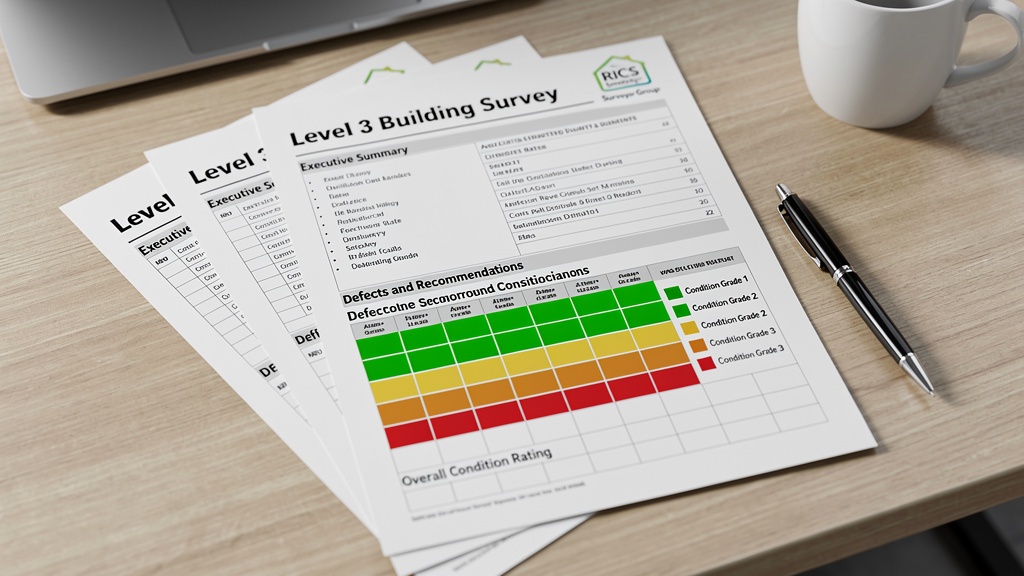
- A condition rating (1, 2 or 3) for every element inspected
- Detailed descriptions of all defects found, including their likely cause and severity
- Repair recommendations with indicative costs where possible
- Items requiring further specialist investigation (e.g., electrical or structural engineer reports)
- General maintenance advice
Every client also receives a free follow-up phone call to discuss the findings. We know that survey reports can feel overwhelming if you're not familiar with building terminology, so we always make time to walk you through what matters most — and what doesn't.
Thinking About a Level 3 Survey for Your Brixton Property?
Get a fixed-price quote within 2 hours. Our RICS chartered surveyors know Brixton's housing stock inside out.
Get Your Free QuoteFrequently Asked Questions
Can I negotiate on price after a Level 3 survey?
Yes — and you should. Our report includes indicative repair costs for any defects found, which gives you a factual basis for price renegotiation. Many buyers successfully reduce the agreed purchase price after a survey. Your solicitor can help you communicate these requests to the vendor's solicitor.
How long does a Level 3 survey take?
On a typical two-to-three bedroom Victorian terrace in Brixton, the inspection itself takes around 3–5 hours. Larger properties will take longer. We ask for access from the agent or vendor, so you don't need to be present — though you're welcome to attend if you'd like.
Will the survey cover the drains?
Our standard Level 3 survey includes a visual inspection of above-ground drainage. For a full drain survey (using a CCTV camera), this is a separate specialist service. We'll recommend one if we find evidence of drainage problems during the inspection.