10 Common Defects in Brixton's Victorian Properties
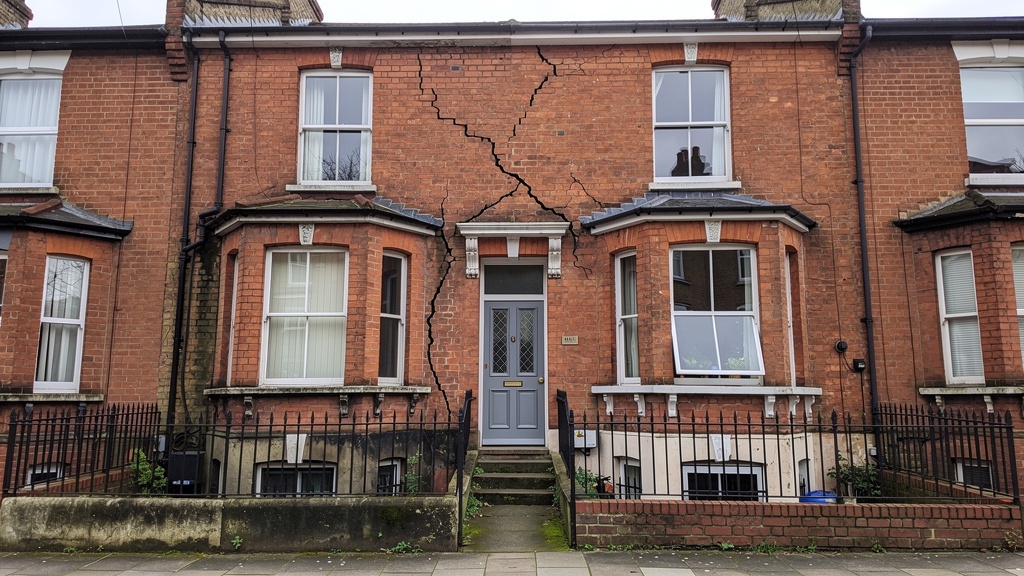
After carrying out hundreds of building surveys on Brixton properties, the same issues come up again and again. Victorian terraces are extraordinary buildings — solid brick construction, generous ceiling heights, large rooms — but they're also over a century old. That age tells, if you know what to look for.
Here are the ten defects I see most frequently in Brixton's Victorian housing stock, along with what causes them and — crucially — what they cost to fix.
1. Seasonal Settlement Cracking
South London sits on London clay, which expands when wet and shrinks during dry spells. This movement causes settlement cracks in walls and around window and door openings. In most cases, these are cosmetic — a diagonal crack at the corner of a window is rarely structural. But in some cases, particularly where cracks are wide (>3mm), stepped or show signs of previous pointing, further investigation is needed.
Typical repair cost: £500–£3,000 (cosmetic). Can be significantly higher if structural movement is confirmed.
2. Flat Roof Deterioration
Many Brixton terraces have flat roofs over rear extensions and back additions. Flat roofs have a limited lifespan — typically 15–25 years depending on the material — and many we inspect are approaching or beyond this. Signs include ponding water, cracking felt, splits in the upstand and visible daylight in extreme cases.
Typical repair cost: £1,200–£4,000 for a standard re-cover. GRP (fibreglass) is the most durable modern option.
3. Rising Damp in Lower-Ground Flats
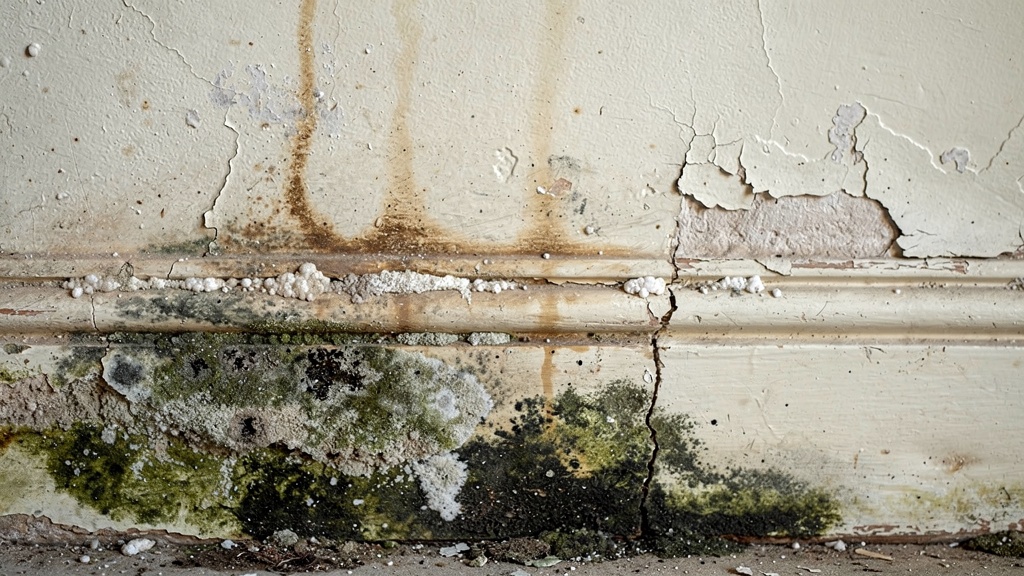
Converted Victorian houses with lower-ground (basement) flats are particularly prone to rising damp. Original damp-proof courses have often failed, been bridged or were never adequate for below-ground habitation. Look for tide marks on lower wall sections, peeling paint, efflorescence (white salt deposits) and musty smells.
Typical repair cost: £2,000–£8,000 depending on extent and treatment method.
4. Chimney Stack Problems
Almost every Victorian terrace in Brixton has at least one chimney stack. Common issues include: deteriorated flaunching (the mortar seal around the pots), cracked or loose chimney pots, failed lead flashings at the junction with the roof, and — more seriously — chimney stacks that have been partially demolished but not properly made good. Where open fireplaces have been used, blocked flues can present a carbon monoxide risk.
Typical repair cost: £800–£3,500 for repointing and resealing. Full chimney removal and making good: £2,000–£5,000.
5. Defective Pointing and Mortar
Victorian brickwork was originally laid with a soft lime mortar. Over the decades, many properties have been repointed with hard Portland cement mortar, which is more rigid than the original lime and can cause bricks to crack and spall as moisture gets trapped behind it. Look for patches of lighter-coloured, harder-looking pointing on older brickwork.
Typical repair cost: £1,500–£6,000 depending on extent. Specialist lime repointing is more expensive but the correct solution.
6. Timber Floor Rot and Infestation
Victorian suspended timber floors rely on adequate underfloor ventilation to remain dry. Where airbricks have been blocked — often by garden paving or DIY insulation — wet rot and dry rot can develop. In severe cases, entire floor structures may need to be replaced. We test floors by tapping for hollow spots and use moisture meters at skirtings.
Typical repair cost: £500–£2,000 for minor repairs. £5,000–£15,000+ for significant rot affecting structural members.
7. Poor-Quality Extensions
South London saw a wave of rear and side extensions in the 1970s–1990s that weren't always built to the highest standard. Single-skin extensions, inadequate foundations, poor-quality flat roofs and DIY-standard internal finishes are all common findings. More worryingly, some extensions were built without planning permission or building regulations sign-off.
Typical repair cost: Varies enormously — from a few hundred pounds for re-rendering to demolition and rebuild for the worst examples.
8. Electrical Safety Issues
Older properties often retain elements of original wiring — rubber-insulated cables, old-style fuse boxes, lack of RCD protection. While we don't carry out electrical tests (this requires a qualified electrician), we flag obvious concerns during a Level 3 survey. An EICR (Electrical Installation Condition Report) is recommended for any property with wiring that looks more than 30 years old.
Typical cost of rewire: £3,500–£8,000 for a typical terrace.
9. Party Wall Alterations
In terraced properties, party walls see a lot of activity over the years — beams inserted, walls built into, chimney breasts removed on the other side. Sometimes these alterations have structural consequences for your property. We always inspect party walls carefully and probe for any evidence of structural compromise.
Typical repair cost: £1,000–£8,000 depending on the specific issue.
10. Roof Structure Wear
The roof structure of a Victorian terrace — rafters, ridge board, purlins and wall plates — can show considerable wear after 120+ years. Common issues include sagging ridgelines, bowing rafters, deteriorated wall plates and evidence of previous repair work. We always access the loft space where possible during a Level 3 survey to check the condition of the structure.
Typical repair cost: £1,500–£6,000 for structural repairs. Full reroofing: £8,000–£25,000+.
The bottom line: None of these defects means you shouldn't buy the property. But knowing about them before you exchange — and understanding the cost of putting them right — puts you in a much stronger position. That's what a thorough Level 3 building survey gives you.
Worried About Defects in Your Potential Purchase?
Our RICS surveyors know exactly what to look for in Brixton's Victorian housing stock. Get a fixed-price quote today.
Book a Survey