Damp and Mould in South London Properties: Causes, Costs & Solutions
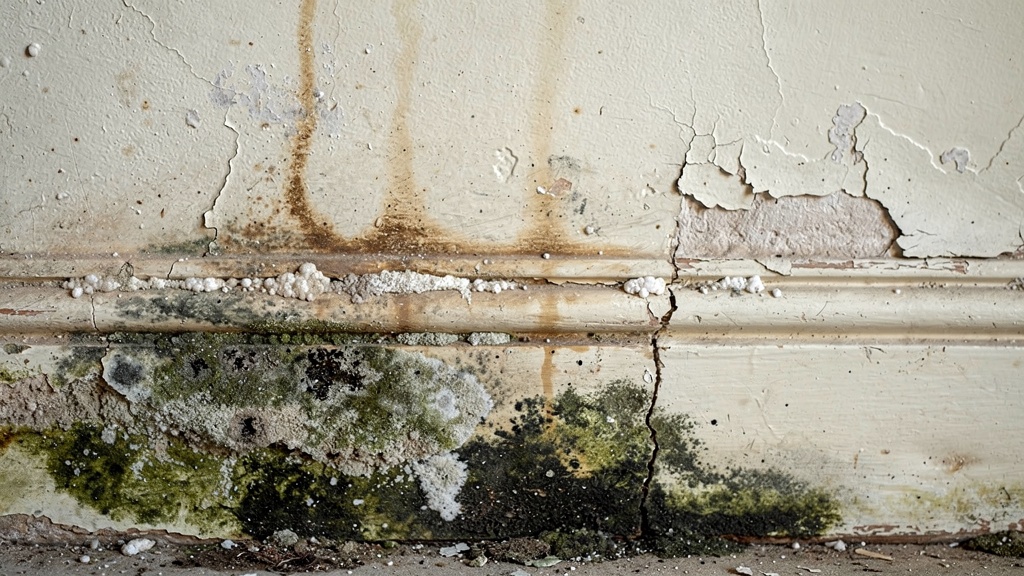
Damp is one of the most frequently identified issues in South London property surveys — and also one of the most misunderstood. "There's a bit of damp" can mean almost anything, from a harmless condensation mark on a bathroom wall to penetrating damp caused by a failed cavity tray above a window that could cost thousands to fix properly. As chartered surveyors in Brixton, we see damp in one form or another in the majority of the Victorian properties we inspect. Here's how to tell the difference.
The Three Main Types of Damp
1. Condensation Damp
By far the most common type in South London properties, condensation damp is caused by warm, moist air meeting cold surfaces — typically external walls or poorly ventilated areas like bathrooms, kitchens and behind furniture pushed against outside walls. It presents as black mould (often Aspergillus niger), typically in corners, on north-facing walls and around window reveals.
The good news: condensation is usually a lifestyle and ventilation issue, not a structural one. Better ventilation, heating and air circulation can resolve most condensation problems. Costs are typically low unless black mould has been present for a long time and has damaged plaster.
Repair cost: £200–£1,500 (treatment, replastering and improved ventilation).
2. Rising Damp
Rising damp occurs when moisture from the ground rises up through masonry and brickwork due to capillary action. It's primarily an issue in Victorian properties where the damp-proof course (DPC) has failed, been bridged by raised ground levels or was never adequate. Classic signs include: tide marks at low level, salting (white crystalline deposits), peeling paint and wallpaper, and a distinctive musty smell.
Genuine rising damp is less common than many damp-proofing companies suggest. If you're told you need a chemical DPC injection, always get a second opinion — it's worth it. Some cases diagnosed as rising damp are actually condensation or penetrating damp, which have very different treatments.
Repair cost: £2,000–£6,000 (treatment, replastering and redecoration).
3. Penetrating Damp
Penetrating damp is caused by water entering the building through defects in the fabric — failed pointing, cracked render, defective window frames, blocked gutters, failed flashings. It can occur at any height on the wall and typically presents as patches that vary in size and wetness with weather conditions. Unlike rising damp, penetrating damp patches tend to be higher on walls and relate to specific external defects.
Repair cost: £500–£5,000+ depending on the extent and cause.
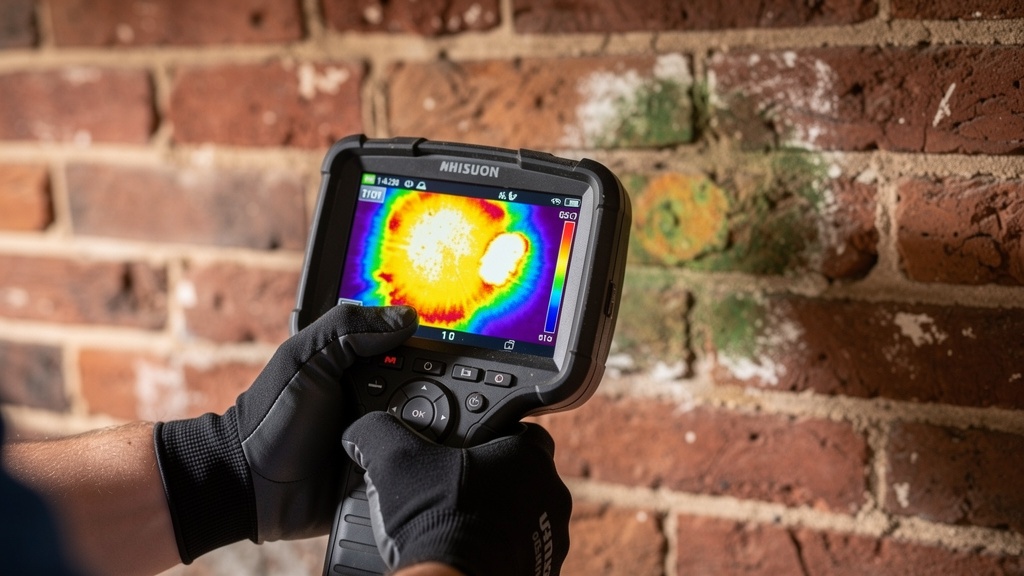
How We Identify Damp During a Survey
During a Level 3 building survey, we use a combination of:
- Moisture meters: Both pin-type and non-invasive meters to measure moisture levels in walls and floors
- Visual inspection: Pattern recognition — the location, height and character of staining tells you a lot about the cause
- Hygrometer readings: Measuring relative humidity to assess condensation risk
- Thermal imaging (where available): Thermal cameras can reveal moisture patterns invisible to the naked eye
The Damp-Proofing Industry: What You Should Know
I want to be direct about this. The damp-proofing industry in the UK has a complex reputation. There are excellent, ethical contractors — and there are others who have a financial incentive to diagnose extensive damp problems regardless of whether they exist. Chemical DPC treatments generate significant revenue.
The British Standard for damp investigation (BS 6576) was withdrawn in 2005. There is currently no regulated standard for diagnosing rising damp in the UK. This means that anyone can call themselves a "damp specialist" and provide a diagnosis and quotation.
My advice: if you receive a damp report and recommendation from a contractor, always get a second, independent opinion from a chartered surveyor with no financial interest in the outcome. We provide independent damp investigations as part of our Level 3 building survey service.
Damp in Lower-Ground Flats
Brixton has a significant number of lower-ground (basement) flats in converted Victorian houses. These properties are inherently at higher risk of damp than upper-floor flats, for obvious reasons: they're at or below ground level, they often have limited ventilation and their walls are in direct contact with the earth. Before buying a lower-ground flat in Brixton, a thorough damp investigation is essential.
Damp Issues in a Property You're Buying?
Get an independent assessment from our RICS surveyors — no conflict of interest, no sales agenda.
Get a Free Quote