How Thermal Imaging Is Changing Property Surveys in London
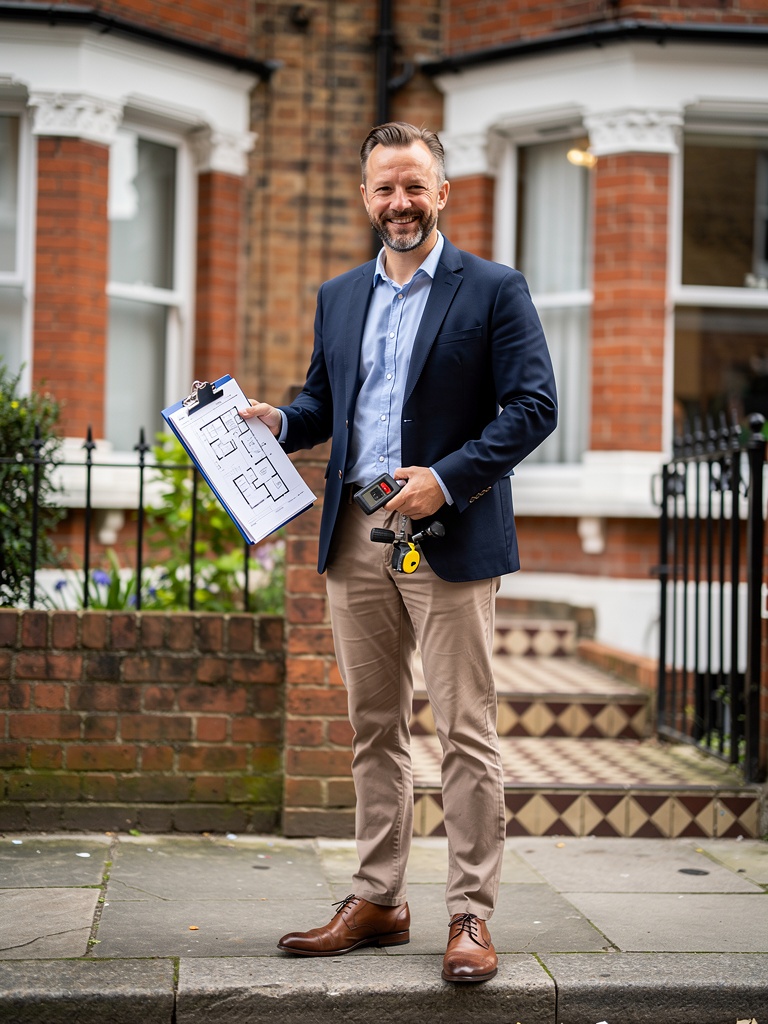
When I started as a surveyor 15 years ago, we relied entirely on visual inspection, moisture meters and our professional judgment. Don't get me wrong — that combination is still the core of a good building survey. But the emergence of thermal imaging cameras in property surveys has added a genuinely powerful tool to our kit.
I've used thermal imaging on dozens of survey inspections in South London over the past few years. Here's what it can and can't do — and why, in the right circumstances, it's transformative.
What Is Thermal Imaging?
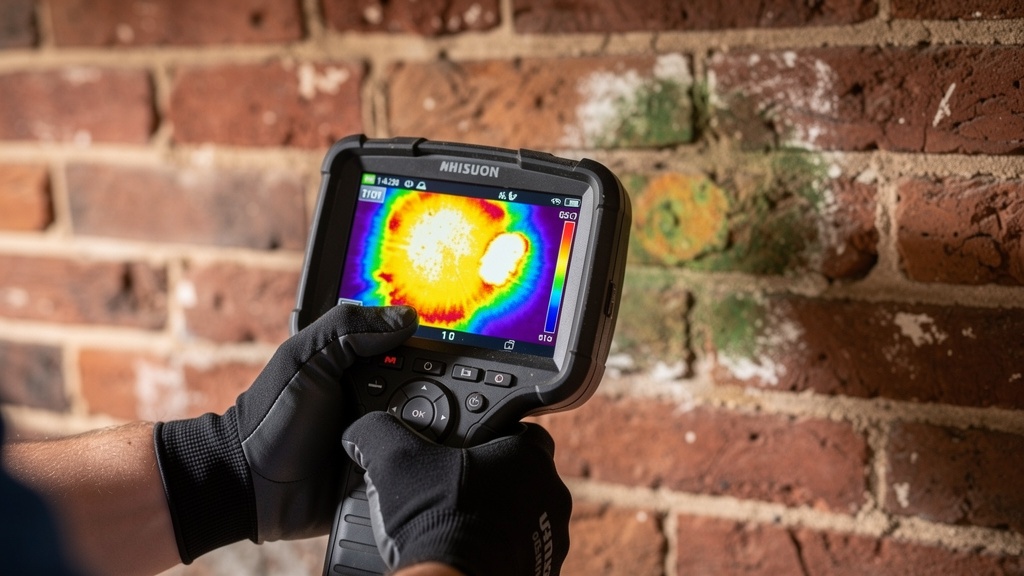
Thermal imaging cameras detect infrared radiation — heat. They produce false-colour images where warm areas appear in red, orange and yellow tones, and cool areas appear in blues and purples. When used correctly in a property inspection, these cameras can reveal temperature anomalies that indicate problems invisible to the naked eye.
What Can Thermal Imaging Reveal in a Property?
Missing or Defective Insulation
Cold spots on walls and ceilings often indicate areas where insulation has been omitted, has settled or has become saturated. This is particularly relevant in inter-war cavity wall construction, where retrofitted cavity insulation can slump and leave cold bridges. In an energy-conscious property market, this matters significantly for both comfort and running costs.
Moisture and Damp
Damp materials hold heat differently from dry ones. Where penetrating damp has entered a wall, the affected area will typically appear cooler in thermal imaging (due to evaporative cooling) or warmer (if it's retaining heat from an internal space). When combined with moisture meter readings, thermal images can help pinpoint the location and extent of moisture ingress with much greater precision.
Heat Loss and Cold Bridges
Where heat is escaping through structural elements — concrete lintels, steel beams or uninsulated junctions — thermal imaging shows up the cold bridge clearly. Cold bridges are significant because they create condensation risks on the internal face of walls, which can lead to mould growth even in properties that appear dry.
Electrical Hot Spots
Electrical faults can create localised hot spots in cables and distribution boards. While we're not electricians and thermal imaging doesn't replace an EICR, a thermographic scan of a fuse board can sometimes flag overloaded circuits or loose connections.
When Is Thermal Imaging Most Useful?
Thermal imaging works best during cold weather, when there's a significant temperature difference between inside and outside the property (ideally 10°C or more). It's therefore most valuable in autumn and winter — which, conveniently, is when London's property market is often at its most active.
It's less useful on warm summer days when the temperature differential is minimal.
Does Thermal Imaging Replace Traditional Survey Methods?
Absolutely not — and be wary of any surveyor who claims otherwise. Thermal imaging is a supplementary tool, not a substitute for experience, training and physical inspection. A thermal anomaly tells you there's something to investigate further — it doesn't tell you what the problem is or how serious it is. That requires professional judgment.
Example: During a winter Level 3 survey on a Herne Hill Edwardian semi, thermal imaging revealed an unusually cold patch in the corner of a first-floor bedroom. Visual inspection and moisture meter readings had shown nothing significant. Closer investigation of the cavity above found a gap in the cavity insulation behind the party wall. Not a structural issue, but a significant energy efficiency problem — and one the buyer used to negotiate a thermal upgrade contribution from the seller.
Do Brixton Surveyors Use Thermal Imaging?
Yes — we use thermal imaging as part of our Level 3 building surveys where conditions are suitable and where it adds value to the inspection. We include thermal images in the survey report with explanatory notes. If you'd like to discuss whether thermal imaging would be beneficial for your specific survey, mention it when you get in touch.
Want a Thorough Survey That Uses the Latest Technology?
Our Level 3 surveys use thermal imaging, moisture meters and 15 years of local expertise. Get a quote today.
Book a Level 3 Survey