Party Wall Matters: What Brixton Homeowners Need to Know
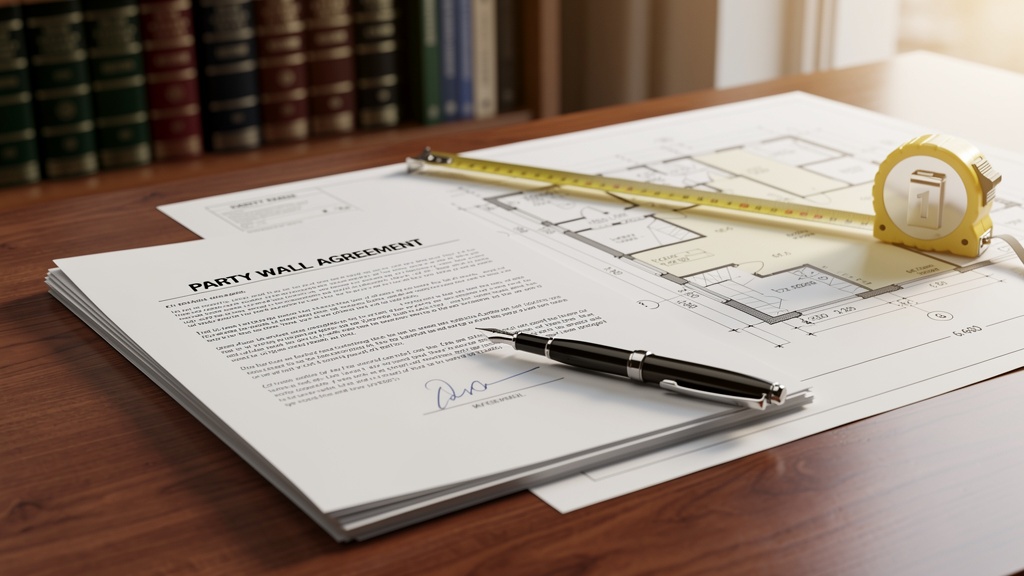
If you own a terraced or semi-detached property in Brixton and you're planning building work, the Party Wall etc. Act 1996 almost certainly applies to you. Yet many homeowners — even those who've lived in their properties for years — have never heard of it until their architect mentions it or, worse, until a dispute with a neighbour has already started.
I've been handling party wall matters in South London for over 12 years. I've seen friendly neighbours fall out over party wall disputes. I've also seen cases where we've helped a worried homeowner understand their rights when their neighbour started building work without serving the required notices. This guide covers everything you need to know.
What Is the Party Wall Act?
The Party Wall etc. Act 1996 is a piece of UK legislation that provides a framework for managing building work near, on or next to a shared wall or boundary. It exists to protect both the owner carrying out the work and the adjoining owner — usually a neighbour — from harm.
The Act applies to three main types of work:
- Work to an existing party wall or floor: Such as cutting into a wall to insert a beam, raising the wall height or demolishing and rebuilding a party wall
- New building at the boundary: Building a wall up to or astride the boundary line
- Excavation near a neighbouring building: Digging foundations within 3 or 6 metres of a neighbouring structure (depending on depth)
Does This Apply to Loft Conversions in Brixton?
Almost certainly yes. Loft conversions are the most common trigger for party wall matters in Brixton's terraced streets. A typical loft conversion involves cutting into the party wall to insert steel beams, which requires a party wall notice to be served on your neighbour.
Similarly, rear extensions, basement conversions and significant alterations to party walls all fall under the Act. If you're unsure whether your proposed works are affected, contact us — we're happy to advise.
Case study: A homeowner on a street off Effra Road in Brixton began a loft conversion without serving party wall notices. Midway through the work, her neighbour — who'd noticed vibration and cracking to his wall — contacted us. We advised the neighbour to formally object and appoint us as his party wall surveyor. The building owner had to pause work while a proper award was drawn up, causing significant delays and additional costs. None of this needed to happen with proper planning.
What Is a Party Wall Notice?
Before any qualifying work begins, the building owner must serve a formal written notice on all affected adjoining owners. There are different types of notice depending on the work:
- Party Structure Notice: For work to an existing party wall — must be served at least 2 months before work starts
- Line of Junction Notice: For new walls built at the boundary — served at least 1 month before work starts
- Three Metre Notice / Six Metre Notice: For excavation works — served at least 1 month before work starts
The notice must include specific information about the proposed work and who is giving notice. Getting this wrong — even with the best intentions — can mean the notice is invalid and has to be served again, causing delays.
What Happens After a Party Wall Notice Is Served?
Once a notice is served, the adjoining owner has 14 days to respond. They can:
- Consent: Give written consent, in which case work can proceed without a formal party wall award
- Dissent and agree a surveyor: Both parties appoint the same "agreed surveyor"
- Dissent and appoint their own surveyor: Each party appoints a separate surveyor, who together appoint a third surveyor if needed
If the adjoining owner doesn't respond within 14 days, a dispute is deemed to have arisen and a surveyor must be appointed. This is known as "deemed dissent".
What Is a Party Wall Award?
A party wall award is a legal document produced by the appointed party wall surveyors. It sets out:
- The nature and extent of the proposed works
- How and when the work is to be carried out
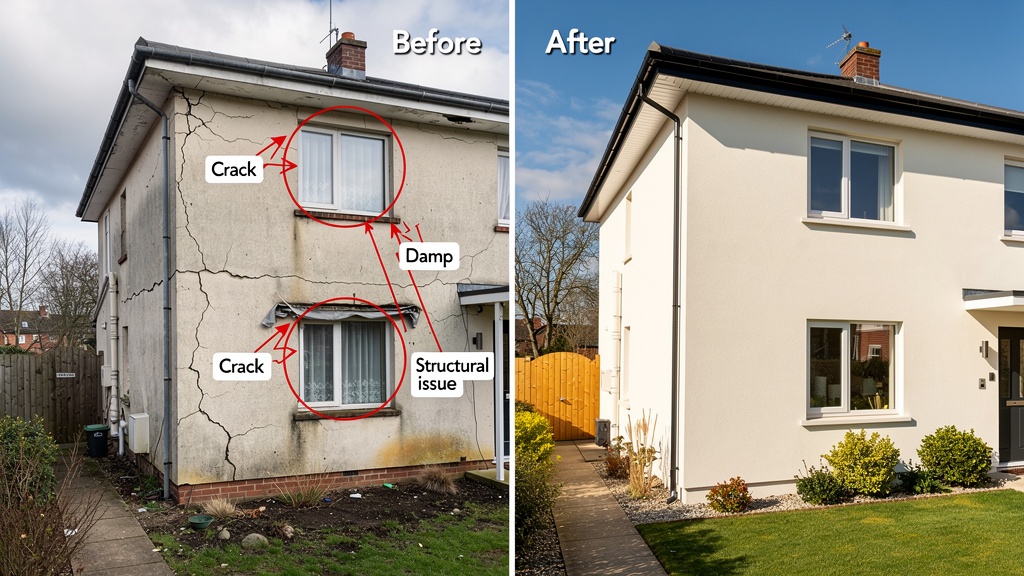
- A schedule of condition recording the existing state of the adjoining property before work starts
- Access rights for inspection and making good
- Who pays the surveyor's fees
The award protects both parties. The building owner can proceed with their work; the adjoining owner has a documented baseline should any damage claim arise.
How Much Does a Party Wall Surveyor Cost in Brixton?
Our party wall surveying services in Brixton start from £850 per party. For a standard loft conversion involving two adjoining properties, the total party wall cost (including notices, award and schedule of condition) typically falls between £1,500 and £2,500.
In most cases, the building owner is responsible for paying the party wall fees — including the adjoining owner's surveyor's reasonable fees. This is the price of exercising your right to carry out building work near a neighbour.
Do I Need a Party Wall Surveyor If My Neighbour Has Consented?
If your neighbour consents in writing within 14 days of receiving your notice, you do not need to appoint a party wall surveyor. Work can proceed. However, we always recommend at least preparing a schedule of condition even where consent has been given — it protects both of you if any damage claim arises later.
Need Party Wall Surveyors in Brixton?
Whether you're the building owner or the adjoining owner, we can help. Get in touch for a no-obligation chat about your party wall situation.
Talk to Our Party Wall SurveyorsFAQ: Party Wall Matters in Brixton
What if my neighbour ignores the party wall notice?
If they don't respond within 14 days, a dispute is deemed to have arisen. You should then appoint a party wall surveyor who will attempt to engage the adjoining owner. Work cannot start until the award is made.
Can a party wall surveyor tell me whether to approve or object to my neighbour's work?
No. The party wall surveyor's role is neutral — we can't advise whether works are reasonable or unreasonable in planning terms. Our job is to ensure the party wall process is followed correctly and that both parties' interests are protected.
What if my neighbour causes damage to my property?
This is where the schedule of condition is invaluable. By recording the existing state of your property before work starts, we create a baseline against which any new damage can be assessed. Claims for damage are resolved through the party wall surveyors.