Property Valuation in Brixton: A Complete Guide for Buyers & Sellers
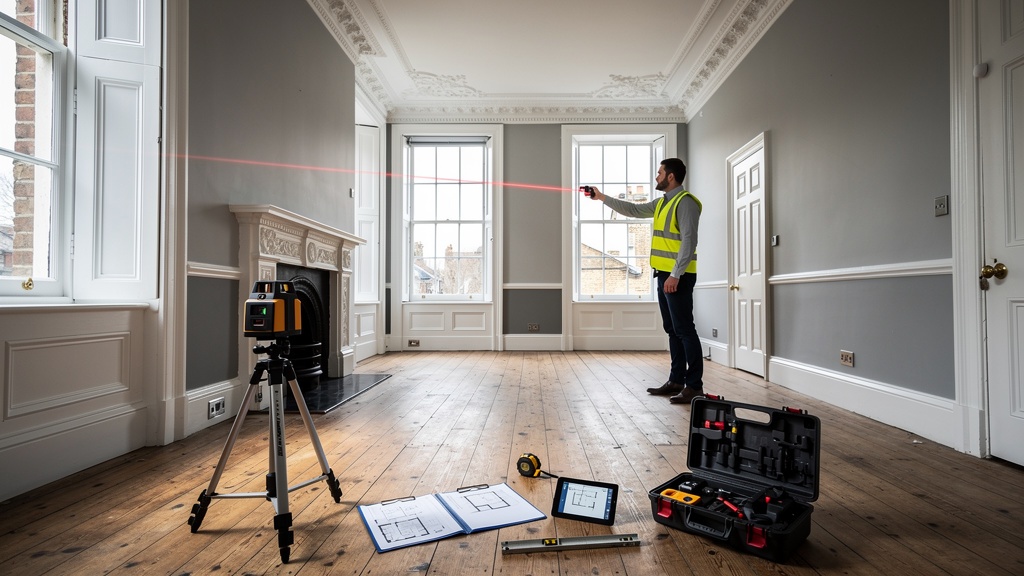
Brixton Surveyors conduct property valuations across Brixton and South London every week. Understanding what a valuation actually covers — and why it differs from an estate agent's appraisal — can save you thousands of pounds when buying, selling, remortgaging, or navigating a probate estate.
Key Takeaway
A RICS valuation is a legally recognised professional opinion of market value. An estate agent's valuation is a sales tool. Only a RICS-certified report is accepted by lenders, courts, and HMRC.
What Is a Property Valuation?
A property valuation is a formal assessment of a property's open market value — the price it would fetch between a willing buyer and a willing seller in an arm's-length transaction. In the UK, valuations must follow the RICS Red Book Global Standards, a set of internationally recognised rules that ensure consistency and professional accountability.
I've been valuing properties in South London for over a decade. One thing I see time and again is confusion between an estate agent's free valuation — designed to win instructions — and the impartial, evidence-based approach a chartered surveyor uses. The difference can be £20,000 on a typical Brixton terrace.
When Do You Need a RICS Valuation?
There are several situations where an independent RICS valuation is either required by law or strongly advisable:
- Mortgage applications: Lenders instruct their own valuation to protect their lending position. You can also commission your own independent valuation if you feel the lender's figure is too low.
- Remortgaging: Your lender will require an up-to-date valuation, especially if your property has been extended or renovated.
- Probate and inheritance tax: HMRC requires a Red Book valuation of a property at the date of death to calculate inheritance tax liability.
- Matrimonial or divorce proceedings: Courts require an independent valuation when a property forms part of a financial settlement.
- Shared ownership staircasing: Buying additional shares in a shared ownership property requires an independent RICS valuation to determine the current market value.
- Help to Buy equity loan repayment: You must have a RICS valuation to repay a Help to Buy loan or remortgage with a Help to Buy property.
- Lease extension (formal route): Both landlord and tenant require independent valuations to negotiate or litigate lease extension premiums.
- Capital gains tax: If you're selling an investment property or second home, a valuation at the date of acquisition establishes your base cost for CGT purposes.
- Right to buy: Social housing tenants exercising the right to buy need an independent valuation to challenge a council's asking price.
How Does a Surveyor Value a Property?
RICS valuers use several established methods depending on the property type and purpose of the valuation:
1. Comparable Sales Method
The most common approach for residential property. Your surveyor researches recent sales of similar properties — same type, size, and condition — within a close radius and adjusts for differences in location, presentation, and features. In Brixton, this involves pulling Land Registry data, Rightmove listings, and local estate agent intel.
2. Investment Method
Used for buy-to-let properties or commercial premises where the value is driven by rental income. The surveyor capitalises the net annual rent at an appropriate yield rate reflecting the local market.
3. Depreciated Replacement Cost
Mainly used for specialist buildings (schools, hospitals, community halls) where there is no active sales market. The surveyor estimates what it would cost to replace the building new, then applies depreciation.
4. Residual Method
Used for development sites and properties with planning potential. The surveyor estimates the gross development value, deducts build costs, developer's profit, and finance charges to arrive at the land or property value.
What Factors Affect Value in Brixton?
Brixton's property market is shaped by a distinctive mix of factors that any valuer must understand:
- Proximity to transport: Properties within a 5-minute walk of Brixton Underground or Herne Hill station consistently command a premium of 8–12% over equivalent homes 15 minutes away.
- Victorian architecture: Well-maintained original features — cornicing, fireplaces, sash windows — add measurable value, particularly for buyers from outside South London seeking character.
- Garden size and orientation: South-facing gardens in SE24 and SW2 can add £15,000–£30,000 compared to north-facing equivalents.
- School catchment areas: Proximity to outstanding Ofsted schools (particularly primary level) adds a demonstrable premium in streets like Effra Road and Tulse Hill.
- Condition and defects: Structural issues, damp, roofing problems, or outdated heating systems all reduce value. I always recommend a Level 2 or Level 3 survey alongside a valuation so buyers understand both price and risk.
- Leasehold vs freehold: Leasehold properties with short leases (under 80 years) suffer significant value reductions. A flat with 70 years remaining may be worth 10–15% less than a comparable flat with a 125-year lease.
- Planning history: Unauthorised extensions or conversions without building regulations sign-off can deter mortgage lenders and depress value.
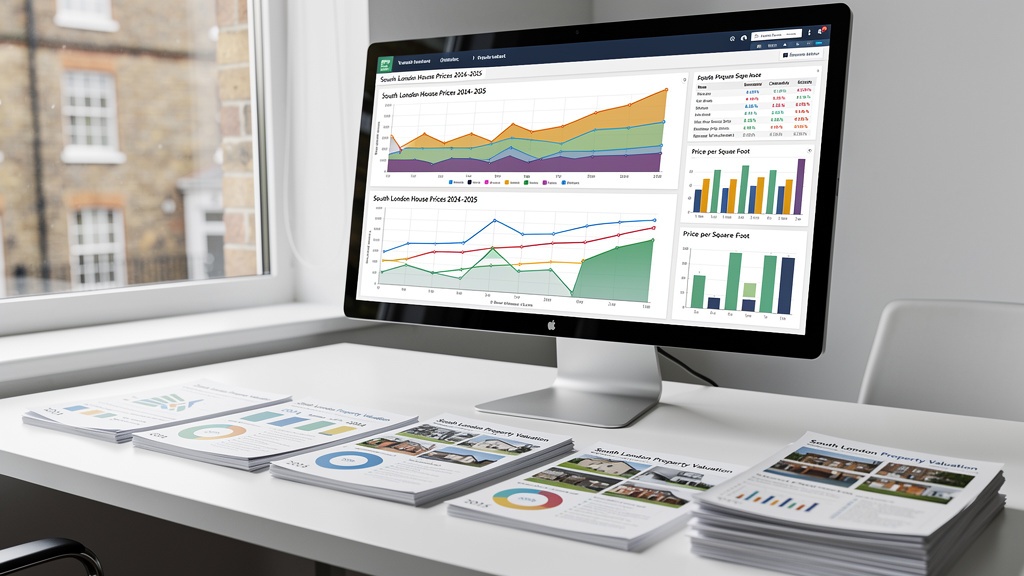
Case Study: Probate Valuation in Tulse Hill
In early 2024 I was instructed by a family in Tulse Hill to value a three-bedroom Victorian terrace for probate purposes. The estate agent who had valued it for a potential sale put it at £680,000. However, at the date of death — six months earlier — the market had been softer following interest rate rises.
Using comparable Land Registry sales from the same six-month window in the same road, I arrived at a Red Book value of £635,000. The family was able to submit this to HMRC alongside the probate application, saving over £4,500 in inheritance tax compared to using the estate agent's current figure. The lesson: the date of valuation matters enormously for probate, and only a RICS report carries the necessary legal weight.
Mortgage Valuations: What the Lender's Surveyor Is Really Doing
Mortgage valuations are the most misunderstood type of valuation. Most buyers assume the lender's surveyor is checking whether the property is in good condition. They are not. A mortgage valuation answers one question only: Is this property sufficient security for the loan being advanced?
The visit can take as little as 20 minutes. The report is the lender's property — not yours — and you may never see it. It will not identify damp, structural movement, or roofing problems unless they are so severe they affect the security value.
This is why we always recommend a separate homebuyer survey or building survey alongside any mortgage transaction. The cost is modest compared to the protection it provides.
Valuation vs Appraisal: Understanding the Difference
| Feature | Estate Agent Appraisal | RICS Valuation |
|---|---|---|
| Purpose | Win your sale instruction | Impartial professional opinion |
| Cost | Free | £350–£800 |
| Accepted by courts/HMRC | No | Yes |
| RICS Standards | No | Yes (Red Book) |
| Professional indemnity insurance | Variable | Required |
| Usable for mortgage disputes | No | Yes |
How to Prepare Your Property for Valuation
If you're commissioning a valuation for sale purposes — perhaps to challenge an estate agent's suggested asking price — a few simple steps will help your surveyor produce the most accurate figure:
- Provide documentation: Share planning permissions, building regulations completion certificates, guarantees for work carried out, and lease documents if leasehold.
- Note improvements: Extension square footage, a new kitchen or bathroom, and energy efficiency upgrades (such as double glazing or a new boiler) all affect value. Your surveyor can only note what they see and what you tell them.
- Tidy, don't renovate: A clean, tidy presentation helps the inspector form an accurate first impression but there's no need to redecorate before a valuation. Over-capitalising before selling is a common mistake in South London.
- Flag any known defects: A good RICS valuer will ask about structural movement, damp history, or insurance claims. Being open ensures the valuation is accurate and reduces the risk of challenges later.
Frequently Asked Questions: Property Valuation in Brixton
How much does a RICS property valuation cost in Brixton?
A RICS Red Book valuation in Brixton typically costs between £350 and £800 depending on property size, purpose, and complexity. Mortgage valuations arranged through lenders are often lower cost but less detailed and are not provided to the buyer.
How long does a property valuation take?
A physical inspection usually takes 30–90 minutes on site. The written report is typically delivered within 3–5 working days of the inspection.
What is the difference between a valuation and a survey?
A valuation establishes a property's market value at a specific date. A survey assesses the physical condition of the building. Some reports, such as RICS Level 2 and Level 3 surveys, include a valuation figure alongside condition data — but they are fundamentally different tools.
Can I dispute a mortgage valuation?
Yes. If you believe a mortgage lender's valuation is too low, you can commission an independent RICS Red Book valuation and submit it as a formal challenge. Lenders are not obliged to change their figure but many do review with new evidence, particularly if the comparable data supports a higher figure.
Do I need a valuation for shared ownership or Help to Buy?
Yes. Both shared ownership staircasing and Help to Buy equity loan repayments require an independent RICS valuation to establish the current market value. The valuation must be no more than 3 months old at the time of the transaction.
What is a Red Book valuation?
The RICS Red Book (formally RICS Valuation – Global Standards) is the professional standard that all RICS-registered valuers must follow. A "Red Book valuation" is one conducted in full compliance with those standards, making it legally recognised for lending, probate, litigation, and taxation purposes.
Why Choose Brixton Surveyors for Your Valuation?
Our valuers have deep, data-driven knowledge of the Brixton, Herne Hill, Tulse Hill, Streatham, and wider South London property market. We understand the nuances — the premium commanded by an E&C postcode boundary, the impact of short leases on flat values in SW9, and the effect of regeneration projects on capital appreciation.
Every valuation we produce is fully compliant with RICS Red Book standards, supported by professional indemnity insurance, and delivered with clear, plain-English explanations of our methodology. We're here to give you confidence, not confusion.
Need a RICS Valuation in Brixton or South London?
Whether it's for probate, mortgage purposes, a Help to Buy redemption, or a private sale — our RICS-accredited surveyors are here to help.
Request a Valuation Quote