Snagging Surveys for New Builds: What Every Buyer Must Know
New-build homes look immaculate on the surface — fresh paint, gleaming fixtures, brand-new appliances. But beneath that showroom finish, the average new-build contains between 100 and 150 defects, according to industry data from the New Homes Quality Board. As chartered surveyors in Brixton who carry out snagging surveys across South London, we've seen everything from misaligned doors and cracked tiles to structural issues that developers simply don't want you to notice before you sign off.
A professional snagging survey is one of the smartest investments a new-build buyer can make. Here's everything you need to know.
What Is a Snagging Survey?
A snagging survey (also called a new-build inspection or snagging inspection) is a detailed check of a new-build property carried out by an independent professional — ideally a RICS-qualified surveyor — before you legally complete your purchase. The surveyor works methodically through every room, checking workmanship, finishes, fittings and structural elements against current building regulations and the developer's own specifications.
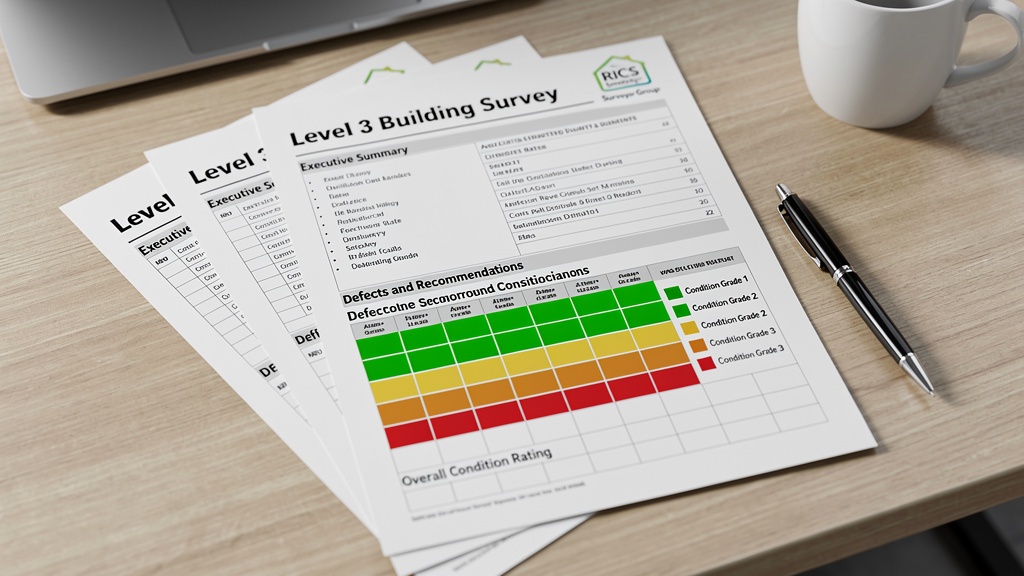
The result is a comprehensive snagging list: a written report documenting every defect found, with photographic evidence. You present this to your developer, who is legally obliged to rectify the issues as part of your warranty.
Why You Should Get One — Even on a Brand-New Home
Many buyers assume that new-build homes don't need surveying. This is a costly misconception. There are several reasons why new-builds are particularly prone to defects:
- Speed of construction: Modern housing developments are built under intense commercial pressure to meet sales targets. This sometimes means tradespeople are rushed.
- Multiple subcontractors: New-build sites use dozens of different subcontractors — plumbers, electricians, plasterers, joiners — often with minimal coordination. Handover between trades is a common source of problems.
- Snagging by developers: Developers carry out their own internal snagging, but they have an obvious financial interest in minimising the defect list. Their standard is often not the same as an independent surveyor's.
- Your warranty depends on it: Most new-builds come with a 10-year structural warranty (NHBC Buildmark or similar). But cosmetic defects must typically be raised within the first two years. After that, you've lost your right to have them remedied.
What Does a Snagging Survey Cover?
A thorough snagging survey by a RICS surveyor will inspect:
Exterior
- Brickwork, render and pointing
- Roof tiles, ridge and fascia boards
- Gutters, downpipes and drainage
- Windows, door frames and seals
- Driveway, paths and garden areas
- Any external pipework and meter locations
Interior — Room by Room
- Walls and ceilings: cracks, paint coverage, plaster finish
- Floors: level, finish, squeaks and gaps between boards
- Doors and windows: alignment, seals, furniture and operation
- Joinery: skirting boards, architraves, kitchen and bathroom units
- Tiling: level, grout lines, chipped tiles
- Electrical: socket levels, switch operation, consumer unit labelling
- Plumbing: pressure, leaks under sinks, shower enclosure seals
- Heating: boiler commissioning, radiator balance, thermostat programming
- Ventilation: extractor fans, trickle vents
Structural and Building Regulations
- Lintels over openings
- Cavity tray positions at roof junctions
- Fire stopping at service penetrations
- Stair geometry and guarding heights
- Smoke and CO detector positions

Common Defects We Find in New-Build Inspections
Based on our snagging surveys across South London new-build developments, these are the most commonly identified issues:
- Poor paint and plaster finish — drips, holidays (missed patches) and visible joints are the single most common category of snag
- Misaligned internal doors — gaps at the top or side, doors that don't latch properly
- Cracked or missing grout in tiling — especially around shower enclosures and bath surrounds
- Squeaking or uneven floors — particularly in timber-frame constructions
- Incomplete mastic seals — around baths, shower trays and window frames
- Electrical sockets not level — surprisingly common and clearly visible once pointed out
- Condensation risk issues — inadequate trickle vents or extractor fan installation
- Gutters and downpipes incorrectly aligned — can cause water ingress issues later
- Heating system not properly commissioned — radiators cold at top, pressure too low
- Structural cracks at stress points — above door frames and at floor/wall junctions
When Should You Get a Snagging Survey?
The ideal time is before legal completion — specifically, in the period between your developer notifying you that the property is ready and your completion date. This typically gives you 7–14 days. Getting the survey done before you complete means you have maximum leverage: you can delay completion until critical issues are resolved, or negotiate compensation.
However, if you've already completed — perhaps because the developer didn't give you adequate notice — you can still commission a snagging survey. You have a two-year defects liability period during which the developer must fix issues. After two years, structural problems are still covered under your 10-year warranty.
Buying a New-Build in South London?
Don't sign off until you've had an independent snagging survey. Our RICS surveyors provide detailed, photographic snagging reports across Brixton and South London.
Get a Free QuoteCan I Do My Own Snagging?
You can certainly walk through the property yourself and note obvious issues. But a professional snagging survey is much more thorough for several reasons:
- A RICS surveyor knows exactly what building regulations require and can identify deviations that a layperson would miss
- Professional reports carry more weight with developers — they're harder to dismiss
- Surveyors have specialist equipment: spirit levels, moisture meters, electrical testers
- We check areas most buyers don't think to look — roof space, under-floor voids, behind appliances
Some buyers use snagging-only companies rather than RICS surveyors. While these can be useful, they vary considerably in quality, and their reports don't carry the professional regulatory weight of a report from a RICS-registered surveyor.
How Much Does a Snagging Survey Cost?
For a typical South London new-build apartment, expect to pay £250–£400 for a professional snagging inspection. For a new-build house, costs typically run £350–£600 depending on size. This investment is almost always recovered many times over through the defects that get remedied before you move in — or through the reduction in your purchase price if significant issues are identified.
What Happens After the Survey?
Once you receive your snagging report, you submit it formally to your developer's customer care team. Under most warranty schemes, they must acknowledge the items and provide a remediation schedule. Keep records of all correspondence. If the developer is unresponsive or disputes items, you can escalate to your warranty provider or, in serious cases, seek independent legal advice.
Our surveyors can advise on how to handle developer responses and, if necessary, provide expert witness reports should disputes escalate.
