Do You Really Need a Survey When Buying a Home in South London?
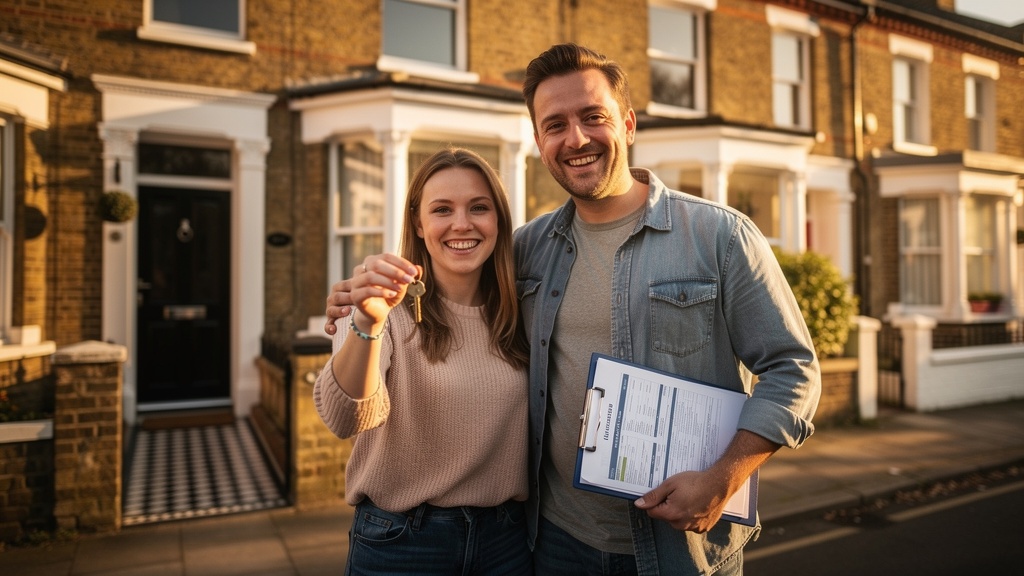
Brixton Surveyors speak to hundreds of property buyers every year. The single most common thing we hear from people who chose not to get a survey? "I wish I had." This guide is for anyone in South London who's asking whether a building survey is really worth the money.
The Honest Answer
No survey is legally required. But research by RICS shows that 1 in 5 buyers who skipped a survey discovered unexpected defects after moving in — with an average repair cost of over £5,750. In South London, where Victorian stock dominates, that figure is often considerably higher.
Why Do So Many Buyers Skip Surveys?
In a competitive market, buyers face real pressure. You've found your dream home, your offer has been accepted, and you want to move quickly. Solicitors, stamp duty, and moving costs are mounting. A survey feels like another expense on a long list.
But there are other reasons too. Some buyers assume the mortgage lender's valuation is a health check. Others believe the seller's disclosure form covers them. And many simply don't understand the difference between a survey type and a mortgage valuation. Let's clear all of this up.
The Mortgage Valuation Myth
Every lender instructs a valuation before they advance a mortgage. This is a legal requirement for them — not a service to you. The mortgage valuation answers one question: Is this property worth at least as much as we're lending against it?
The lender's surveyor may spend 20–30 minutes at the property. They won't check behind fitted furniture. They won't test the electrics. They won't go into the roof space. And crucially, the report belongs to the lender — you may never see it. If they find something serious enough to affect lending, you'll hear about it. If they don't find anything, that does not mean the property is defect-free.
In 2023, we were instructed by a couple in Herne Hill who had received a clean mortgage valuation on a 1900s end-of-terrace. Our Level 3 Building Survey identified:
- Active penetrating damp through the chimney breast (no longer used but not capped)
- Extensive woodworm in the first-floor joists
- A leaking flat-roof extension that had not been visible from street level
- Cracked soil pipe at the rear — causing damp beneath the ground floor
Total estimated repair bill: £16,000–£24,000. They used the report to reduce the asking price by £18,500. The mortgage valuation had flagged nothing.
What Types of Survey Are Available?
There are three main RICS residential survey products:
RICS Level 1 Condition Report
A brief overview using traffic-light ratings. Appropriate only for modern, conventionally built properties in very good condition. No advice on repairs or maintenance. Not suitable for Victorian stock.
RICS Level 2 HomeBuyer Survey
The most popular survey for conventional homes built after approximately 1900. Records visible defects with condition ratings (1, 2, or 3), includes a damp meter check, and typically includes an optional market valuation. Best for properties that appear to be in reasonable condition with no obvious major defects.
RICS Level 3 Building Survey
The most thorough option. Analyses the cause of defects, describes the construction form in detail, and provides repair recommendations with cost ranges. Strongly recommended for Victorian and Edwardian terraces, flats in converted houses, properties with extensions or unusual construction, and any property showing signs of defects during the viewing.
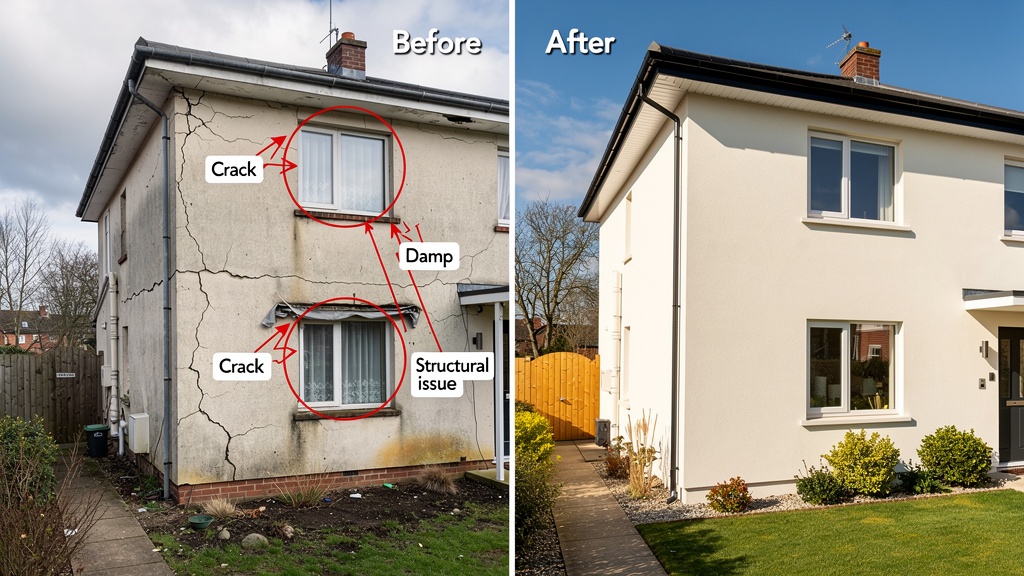
The Real Cost of Not Getting a Survey
Let's look at some real numbers from the South London property market:
| Defect Type | Typical Repair Cost | Survey Detects? |
|---|---|---|
| Full re-roof (Victorian terrace) | £8,000–£18,000 | ✅ Level 2 & 3 |
| Underpinning (subsidence) | £15,000–£50,000+ | ✅ Level 3 (specialist follow-up) |
| Damp treatment & replastering | £2,500–£8,000 | ✅ Level 2 & 3 |
| Electrical rewire | £3,500–£7,000 | ⚠️ Recommend EICR test |
| Ground-floor joist replacement | £3,000–£8,000 | ✅ Level 3 |
| Flat-roof replacement (extension) | £2,500–£6,000 | ✅ Level 2 & 3 |
Five Scenarios Where a Survey Is Especially Important
1. Buying a Victorian or Edwardian Property
Over 60% of Brixton's housing stock dates from before 1914. These properties were built to last — and many have — but they carry specific risks: slate slippage, lintel failure, clay-related subsidence, inadequate sub-floor ventilation, and original wiring. A Level 3 Building Survey is almost always appropriate.
2. Buying a Leasehold Flat in a Converted House
Converted houses in Herne Hill, Tulse Hill, and Streatham are enormously popular. They also carry unique risks: defective party floor separations causing sound transmission and fire safety concerns, shared drainage responsibilities, and variable quality of loft insulation. A survey helps you understand your individual flat and the wider building.
3. A Property That's Been Extended or Altered
Extensions, loft conversions, and garage conversions are common in South London. Without checking building regulations completion certificates, a surveyor can only assess the visible condition. A Level 3 survey will flag concerns about structural integrity, building regulations compliance, and planning history so you can investigate further before committing.
4. A Property You're Buying Below Market Value
A bargain price often reflects hidden problems. Sellers in probate, landlords exiting portfolios, and motivated sellers with undisclosed issues all create below-market opportunities — but only if you know what you're buying. A survey is your protection.
5. A First-Time Purchase
First-time buyers often don't know what to look for on viewings. A professional surveyor brings years of experience and specialist equipment. For the same reason you wouldn't perform your own conveyancing, don't skip the survey on your first — and most significant — purchase.
How to Use a Survey to Negotiate
If your survey reveals defects, you have real power. Sellers who want to proceed generally have three options: lower the price, carry out specified repairs, or provide a retention through the solicitors. Here's how to make the most of your survey findings:
- Ask your surveyor for itemised repair cost estimates — ideally a low and high range for each defect.
- Instruct contractors to quote for the most expensive items, so you have independent evidence.
- Present the total to the seller or their agent as a formal renegotiation, referencing the RICS report.
- Be reasonable — sellers will push back on inflated figures, but a well-evidenced request based on a credible survey is difficult to dismiss.
- For minor amber defects, budget for the works yourself and don't waste negotiating capital on small items.
Frequently Asked Questions
Is a building survey a legal requirement when buying a house?
No. A building survey is not legally required when buying a home in England and Wales. However, it is strongly recommended. Without an independent survey you have no professional assessment of the property's condition and no leverage to negotiate based on defects.
The lender's valuation says the property is fine — do I still need a survey?
Yes. A lender's mortgage valuation only confirms that the property is worth enough to secure the loan. It does not assess whether the building is in good condition. The lender's surveyor may spend less than 30 minutes at the property and will not identify damp, structural defects, or roofing issues unless they materially affect lending security.
How much can I save by getting a survey?
On average, buyers who commission a building survey and use the findings to negotiate save between £5,000 and £25,000 on older South London properties. A £700 survey that saves you £15,000 on a Brixton terrace represents a 2,000% return on investment.
What if the survey reveals serious problems?
You have several options: renegotiate the price to reflect repair costs; ask the seller to carry out specified repairs before completion; proceed knowing the risks and budget accordingly; or withdraw from the purchase. The survey gives you the information to make an informed choice — but you remain in control.
When should I book a survey?
Book your survey as soon as your offer is accepted and before you exchange contracts. This gives you time to review the findings, obtain specialist reports or contractor quotes if needed, and renegotiate if appropriate — all while the sale can still be adjusted.
What Brixton Surveyors Clients Say
"We nearly skipped the survey to save money. The Level 3 report found £22,000 worth of issues with the ground floor and rear extension. We renegotiated and got £18,000 off the asking price. Best £800 I've ever spent."
— Tom & Natalie K., Streatham Hill
"As a first-time buyer I was overwhelmed. James from Brixton Surveyors walked me through the report on the phone for 45 minutes. It gave me the confidence to proceed and the knowledge of what maintenance to budget for."
— Amira S., Herne Hill
Summary: When to Commission Which Survey
- New-build or post-2000 property in excellent condition: Level 1 Condition Report (or snagging survey if new-build)
- Post-1900 property in reasonable condition, no obvious defects: Level 2 HomeBuyer Survey
- Victorian or Edwardian property; converted flats; properties with extensions; any property showing defects: Level 3 Building Survey
- Any purchase where you need a legally recognised market value: Add a RICS Red Book Valuation
Not sure which survey is right for you?
Our chartered surveyors offer a free 5-minute consultation to help you choose the right survey for your property and budget. No pressure, no obligation.
Get Free Advice Today